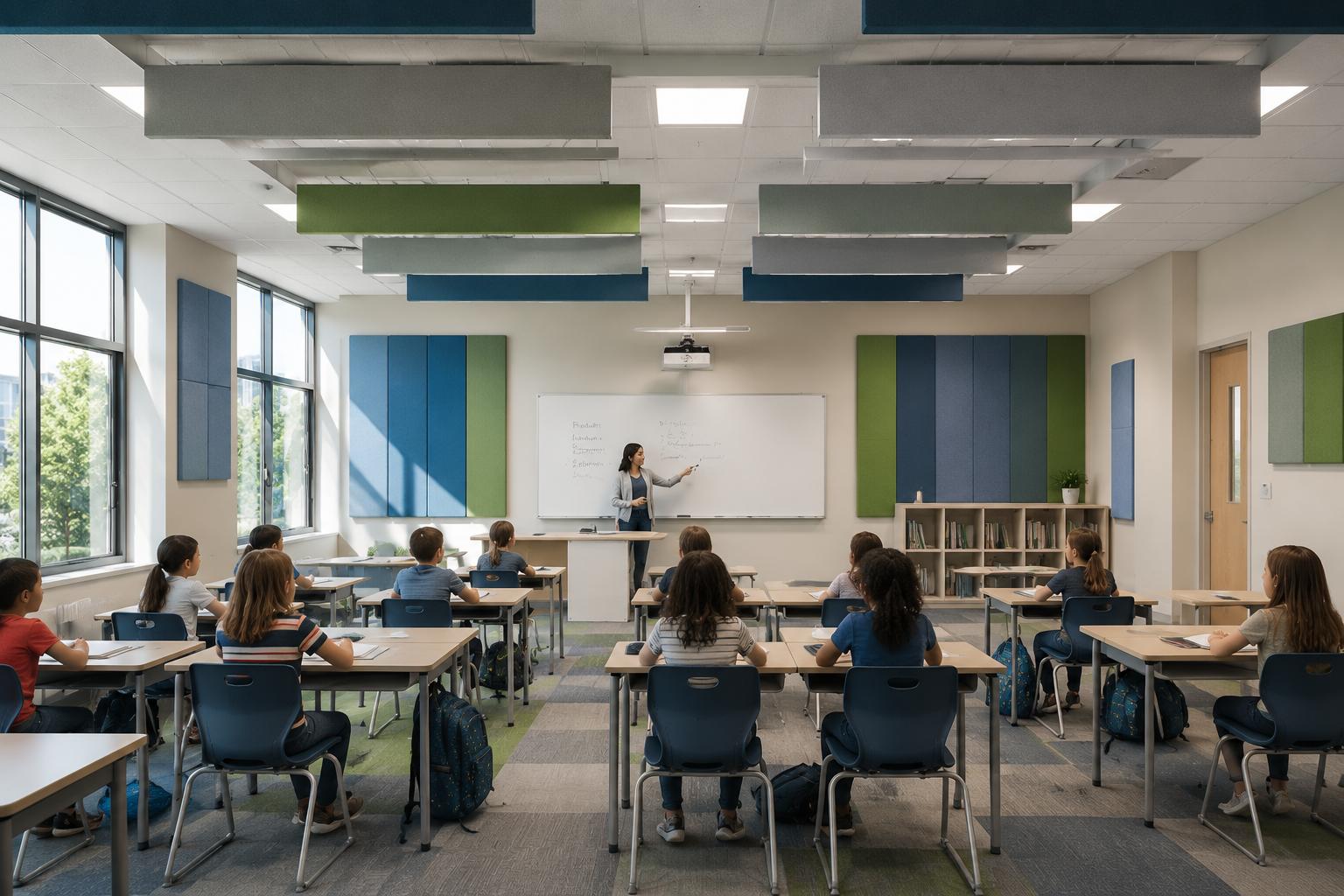
Creating an effective learning environment involves much more than providing modern classrooms, advanced technology, and qualified educators.
The physical environment itself plays a significant role in how students learn, communicate, and engage with educational content.
While factors such as lighting, furniture, and classroom layout receive considerable attention during the design process, acoustics are often overlooked until problems begin to affect daily operations.
In many educational facilities, excessive reverberation and background noise make it difficult for students to hear instructors clearly, particularly in large classrooms, lecture halls, cafeterias, libraries, and multipurpose spaces.
As educational institutions continue investing in modern learning environments, acoustic design is becoming an increasingly important consideration.
This is one of the primary reasons acoustic panels are now widely specified in schools and universities around the world.
Every learning environment depends on effective communication.
Students must be able to hear instructions clearly, participate in discussions, and engage with educational content without unnecessary distractions.
When classroom acoustics are poor, speech becomes less intelligible. Teachers often need to repeat instructions, students may struggle to maintain concentration, and overall learning efficiency can decline.
The challenge becomes even greater in modern educational buildings where open layouts, large windows, hard flooring, and exposed architectural surfaces are common design features.
While these materials contribute to a contemporary appearance, they frequently increase sound reflection and reverberation.
Over time, excessive noise can affect both student performance and teacher effectiveness.
For this reason, acoustics has become a critical component of educational facility planning.
Students process information most effectively when they can clearly hear and understand what is being communicated.
In noisy environments, the brain must devote additional effort to filtering background sounds and interpreting speech.
This increases cognitive load and reduces the amount of attention available for learning.
For younger students, language learners, and individuals with hearing difficulties, the impact can be even more significant.
Research consistently shows that excessive classroom noise can negatively affect:
Reading comprehension
Memory retention
Academic performance
Student engagement
Classroom participation
As educational institutions seek to improve learning outcomes, reducing unnecessary noise has become an increasingly important objective.
Educational facilities have evolved considerably over the past decade.
Many schools and universities are moving away from traditional classroom layouts and embracing collaborative learning spaces.
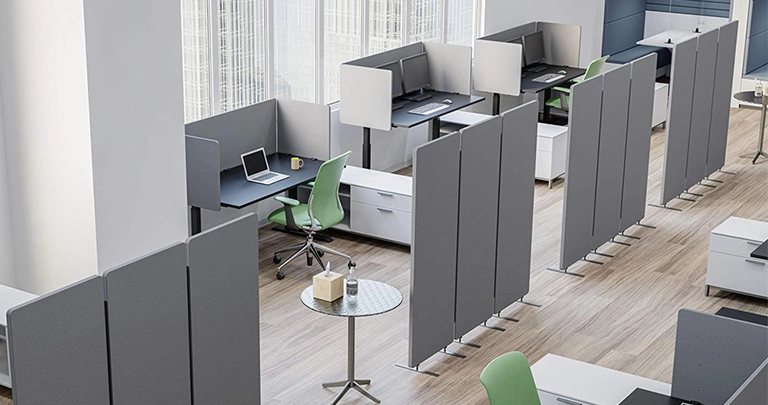
Open learning environments, flexible classrooms, student commons, innovation hubs, and multipurpose gathering areas encourage interaction and teamwork.
However, these spaces also introduce new acoustic challenges.
Large open areas allow sound to travel further, while hard architectural surfaces amplify reverberation.
Without adequate acoustic treatment, conversations from one area can easily interfere with activities in another.
As a result, designers are increasingly incorporating acoustic solutions directly into educational building plans rather than treating acoustics as a secondary concern.
Acoustic panels help control sound reflections by absorbing excess noise before it can bounce throughout a space.
When strategically installed on walls or ceilings, acoustic panels can significantly reduce reverberation and improve speech clarity.
The result is a learning environment where students can hear instructors more clearly and participate more effectively in classroom discussions.
Teachers also benefit from improved acoustics.
In classrooms with excessive reverberation, instructors often need to raise their voices throughout the day, leading to vocal fatigue.
By improving sound quality, acoustic panels help create more comfortable teaching conditions while supporting better communication between educators and students.
The benefits of acoustic treatment extend beyond traditional classrooms.
Many educational facilities contain spaces where acoustic control is equally important.
Libraries require quiet environments that support concentration and independent study.
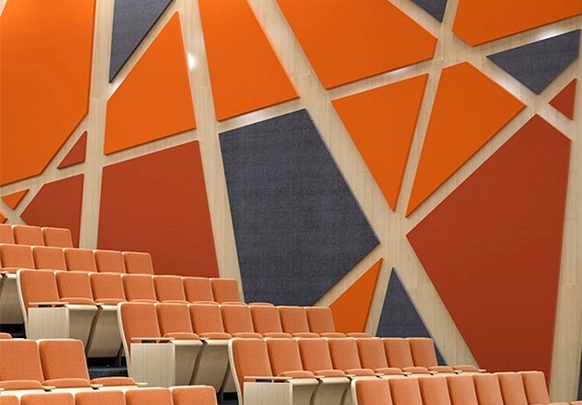
Lecture halls need clear speech transmission across large audiences.
Student centers and common areas must balance social interaction with acceptable noise levels.
Dining halls, gymnasiums, and multipurpose facilities often generate high levels of background noise due to their size and occupancy.
Acoustic panels help manage these challenges while maintaining the openness and flexibility that modern educational spaces require.
As a result, many institutions are implementing acoustic strategies across entire campuses rather than limiting treatments to classrooms alone.
Among the various acoustic materials available today, PET acoustic panels have become a preferred choice for educational projects.
Their popularity stems from a combination of performance, durability, and design flexibility.
Educational facilities require materials that can withstand daily use while maintaining their appearance over time.
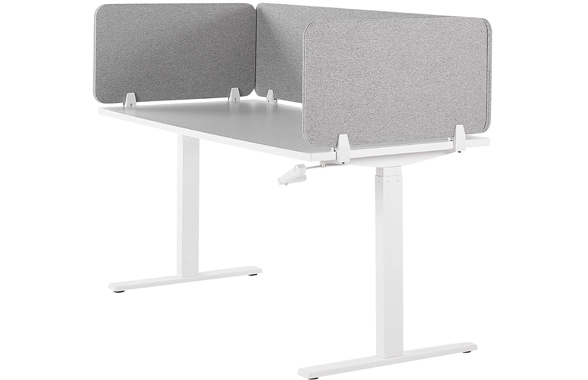
PET acoustic panels provide effective sound absorption while offering a wide range of colors, patterns, and design options that can complement modern educational interiors.
Many PET panels are also manufactured using recycled polyester fibers, supporting sustainability initiatives that are increasingly important to schools and universities.
For facility managers and procurement teams, these advantages contribute to long-term value and reduced maintenance requirements.
Educational environments are increasingly evaluated not only by academic outcomes but also by their impact on student well-being.
Noise can contribute to stress, fatigue, and reduced comfort levels, particularly in busy learning environments.
Well-designed acoustic spaces help create calmer, more focused settings that support both learning and overall well-being.
As educational institutions place greater emphasis on student experience, acoustic design is becoming a key factor in creating environments where students can perform at their best.
This trend is expected to continue as schools and universities invest in healthier and more supportive learning spaces.
Educational architecture continues to evolve alongside changes in teaching methods and student expectations.
Future learning environments are likely to place even greater emphasis on flexibility, collaboration, and technology integration.
As these trends continue, acoustic performance will become increasingly important.
Architects and educational planners are recognizing that acoustics should be considered from the earliest stages of project development rather than addressed after construction.
Acoustic panels, ceiling systems, and integrated sound management solutions are expected to become standard components of educational facility design.
Effective learning depends on effective communication, and effective communication depends on good acoustics.
As schools and universities continue modernizing their facilities, acoustic panels are playing an increasingly important role in creating environments that support concentration, speech clarity, student engagement, and overall educational success.
By reducing reverberation and improving sound quality, acoustic panels help educational institutions create learning spaces that benefit students, teachers, and staff alike.
For architects, educational planners, contractors, and facility managers, investing in acoustic design is no longer simply a matter of comfort. It is an investment in learning outcomes and long-term educational performance.