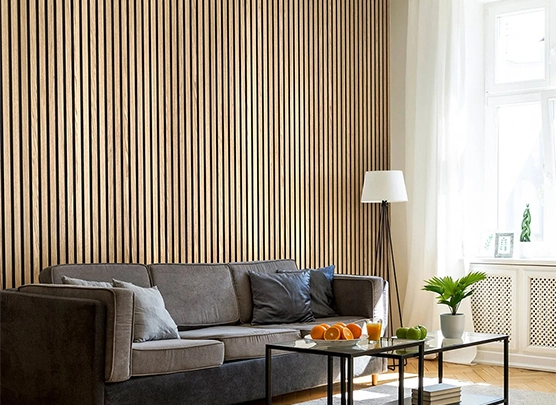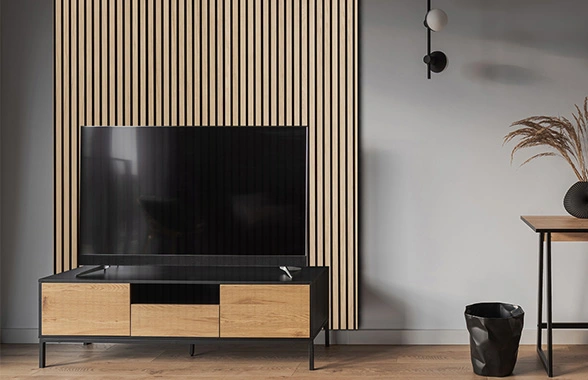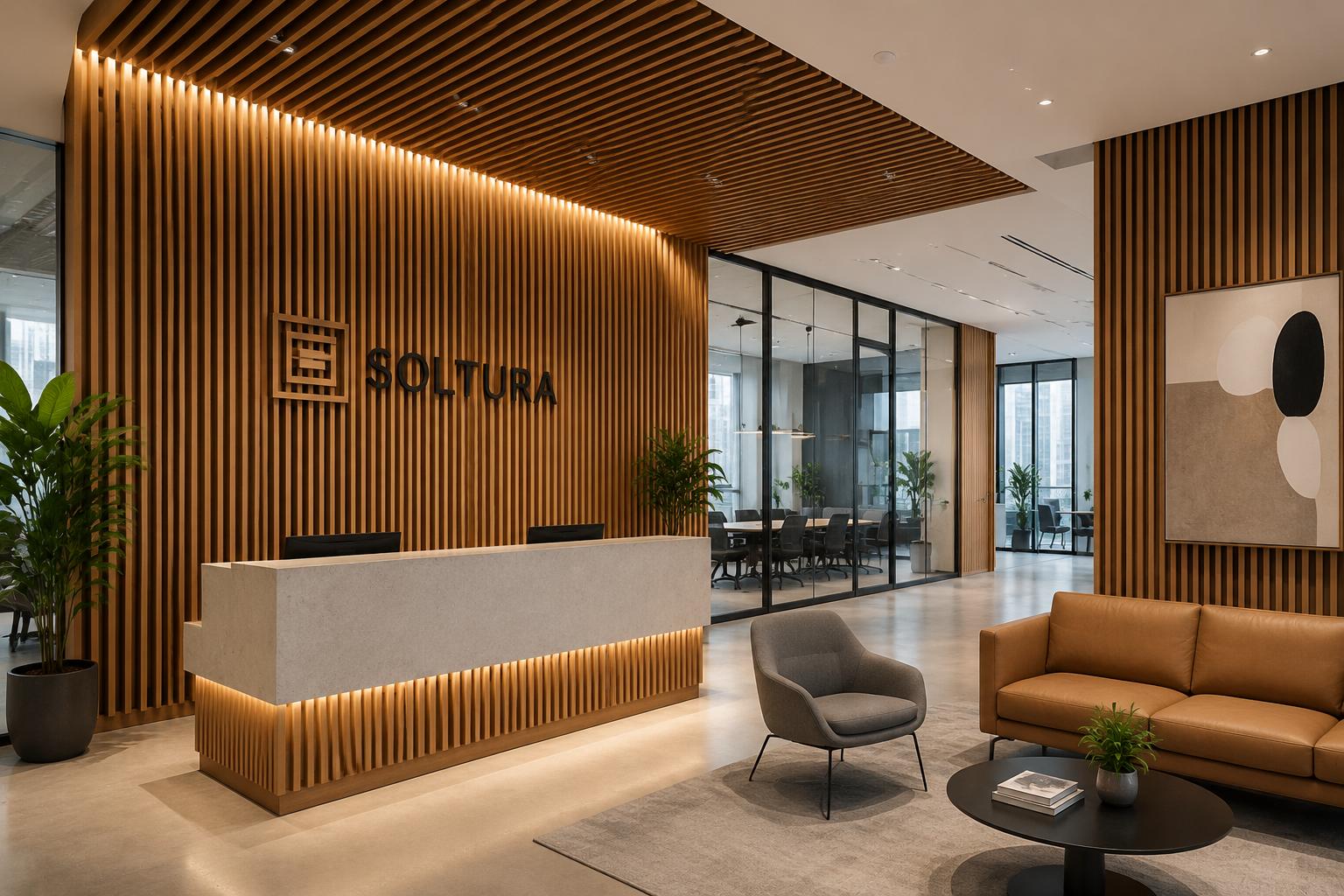
Walk into a newly designed office, boutique hotel, university building, or premium retail space, and there is a good chance you will see wood slat wall panels integrated into the interior design.
Over the past few years, wood slat acoustic panels have become one of the most requested materials in commercial interior projects. What was once considered a niche architectural feature is now appearing across workplaces, educational facilities, hospitality environments, healthcare projects, and public spaces around the world.
The growing popularity of wood slat wall panels is not simply a design trend. It reflects a broader shift in how architects approach modern interiors.
Today's projects are expected to create spaces that feel warm, natural, sustainable, and comfortable while simultaneously addressing acoustic performance, occupant well-being, and long-term durability.
Wood slat acoustic panels allow designers to achieve all of these objectives within a single solution.
Commercial interiors have changed dramatically over the last decade.
For many years, contemporary design was dominated by hard surfaces such as concrete, glass, steel, and polished stone. These materials helped create clean and modern spaces, but they often lacked warmth and contributed to poor acoustic performance.
As organizations began paying greater attention to employee experience and customer comfort, designers started searching for materials capable of softening these environments without sacrificing aesthetics.
This shift coincided with the growing popularity of biophilic design principles, which emphasize the use of natural materials and visual connections to nature within built environments.
Wood quickly emerged as one of the most effective ways to introduce warmth and human-centered design into commercial spaces.
However, traditional wood wall finishes alone could not solve acoustic challenges.
Wood slat acoustic panels emerged as a solution capable of delivering both aesthetic and functional benefits.
Modern commercial spaces are becoming increasingly open and collaborative.
Open-plan offices encourage communication and teamwork. Universities are designing more flexible learning environments. Hospitality venues are creating larger multifunctional spaces.
While these layouts support interaction, they also introduce significant acoustic challenges.
Without proper sound absorption, conversations, footsteps, and background noise can create uncomfortable environments that affect productivity and user experience.
Wood slat acoustic panels address this issue by combining decorative wood finishes with sound-absorbing acoustic backing materials.
This allows designers to improve reverberation control while maintaining a premium architectural appearance.
For many projects, the ability to integrate acoustics directly into the design is a significant advantage compared with installing separate acoustic treatments later.
One of the strongest drivers behind the popularity of wood slat panels is the continued growth of biophilic design.
Research has shown that environments incorporating natural materials can positively influence occupant well-being, stress levels, and overall satisfaction.
As a result, architects are increasingly incorporating wood textures, organic forms, and natural finishes into commercial projects.
Wood slat wall panels provide a practical way to achieve this objective.
Unlike large areas of solid timber cladding, slatted systems create visual depth and texture while maintaining a modern architectural appearance.
The result is an environment that feels both contemporary and welcoming.
For offices, hospitality venues, educational facilities, and healthcare environments, this balance has become increasingly important.
The appeal of wood slat acoustic panels extends beyond architects and designers.
Developers and building owners are also recognizing the value these systems bring to commercial projects.
From a property perspective, interior environments play a significant role in attracting tenants, employees, customers, and visitors.
Spaces that look distinctive and feel comfortable often perform better over the long term.
Wood slat wall panels help create premium interiors while simultaneously addressing practical concerns such as acoustics and occupant comfort.
Because a single product delivers multiple benefits, project teams can often simplify material specifications and reduce the need for additional acoustic treatments.
This contributes to both design efficiency and long-term operational value.
The versatility of wood slat acoustic panels has contributed significantly to their widespread adoption.
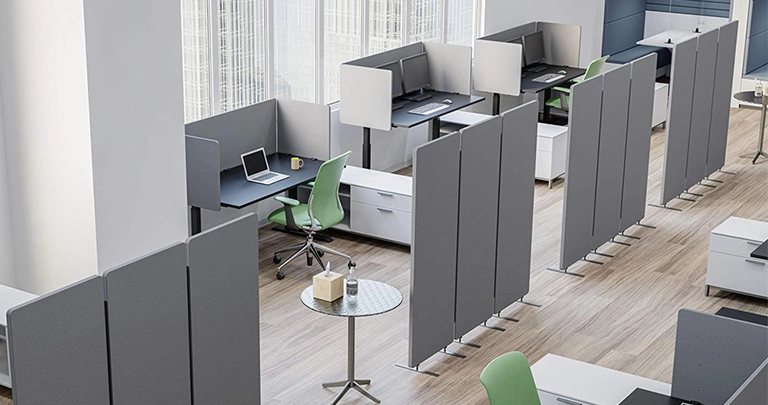
In office environments, they are frequently used in reception areas, meeting rooms, collaboration zones, and executive spaces.
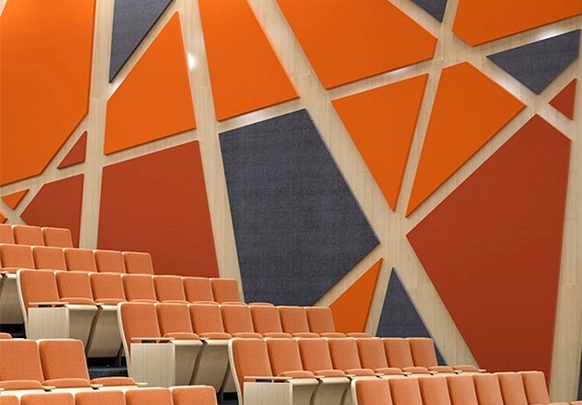
Universities and educational facilities use them to improve speech clarity while creating more inviting learning environments.
Hotels incorporate wood slat panels throughout lobbies, restaurants, conference facilities, and guest amenity areas.
Healthcare facilities increasingly utilize acoustic wood panels to create calmer, less institutional environments for patients and staff.
Because the material performs well across such a wide range of applications, demand continues to expand into new market segments.
As demand grows, project teams are presented with an increasing number of supplier options.
However, not all wood slat acoustic panels are created equal.
Factors such as acoustic performance, substrate quality, manufacturing precision, finish consistency, and fire performance can vary significantly between suppliers.
For commercial projects, procurement teams should evaluate suppliers based on their ability to provide tested acoustic performance data, reliable production capacity, customization support, and experience serving international markets.
The ability to meet project deadlines and maintain product consistency across large orders is often just as important as the product itself.
Selecting an experienced manufacturing partner can reduce project risk while helping ensure design intent is successfully delivered.
The popularity of wood slat wall panels shows no sign of slowing down.
As commercial interiors continue to prioritize sustainability, occupant well-being, and acoustic performance, demand for multifunctional architectural materials is expected to increase.
Rather than serving purely decorative purposes, future interior materials will increasingly be expected to contribute to comfort, productivity, and environmental performance.
Wood slat acoustic panels align closely with these priorities.
Their ability to combine natural aesthetics, sound absorption, and architectural flexibility positions them as one of the most important material categories in contemporary commercial design.
The rapid growth of wood slat wall panels reflects a broader transformation within commercial interior design.
Architects and designers are no longer choosing materials based solely on appearance. They are selecting solutions that contribute to user experience, acoustic comfort, sustainability, and long-term building performance.
Wood slat acoustic panels provide an effective way to address all of these objectives while creating spaces that feel modern, welcoming, and functional.
As organizations continue investing in healthier and more productive environments, wood slat wall panels are likely to remain a defining feature of commercial interiors for years to come.