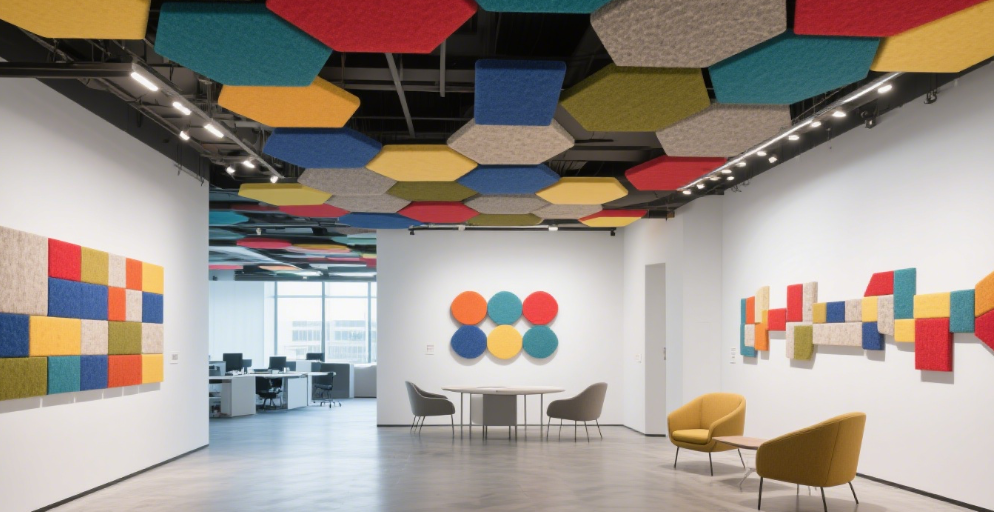
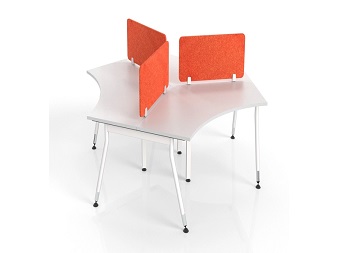
Workplaces are becoming more than physical locations where employees complete daily tasks. They are evolving into flexible ecosystems that need to support teamwork, independent thinking, communication, and creativity at the same time. This shift is changing how companies approach office layouts and the role that space plays in employee performance.
In traditional office planning, walls and fixed rooms were often used to separate different functions. Today, businesses are looking for more adaptable approaches that can provide structure without restricting movement or future changes. The challenge is finding solutions that maintain an open atmosphere while still creating comfortable areas for focused work.
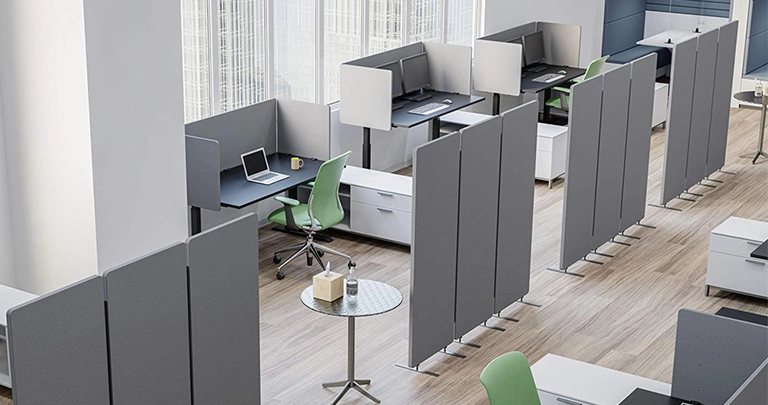
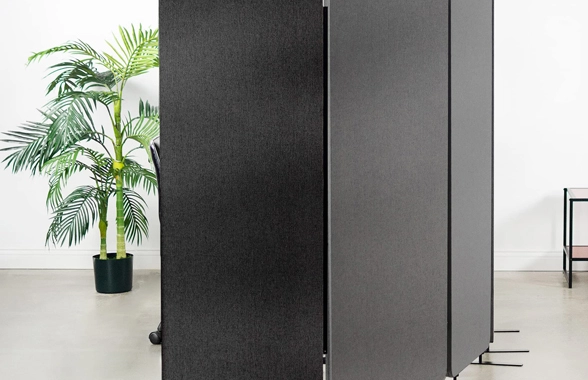
This is why acoustic screen divider solutions are becoming an important element in modern workplace design. By introducing flexible boundaries and improving sound management, these systems help transform large open areas into more balanced and productive environments. A freestanding acoustic room divider offers additional flexibility, allowing spaces to be reorganized according to changing business needs.
Poly Acoustic provides acoustic solutions that support the changing demands of contemporary workplaces. By exploring suitable acoustic products for different workplace applications, organizations can better understand how acoustic design can contribute to a more functional, comfortable, and adaptable office environment.
The concept of the open office has changed significantly over the past decade. While open layouts were initially introduced to improve communication and maximize available space, modern businesses now recognize that an effective workplace needs to support different activities rather than simply remove physical barriers.
A single office area may need to accommodate team discussions, individual concentration, online meetings, creative sessions, and informal interactions throughout the day. This requires a more thoughtful approach to space planning, where different zones can coexist without creating unnecessary separation.
An acoustic screen divider helps address this challenge by creating functional boundaries while preserving the visual openness that many modern offices prefer. Instead of dividing a workplace into isolated rooms, acoustic solutions provide a balance between connection and privacy.
For companies adopting flexible work models, a freestanding acoustic room divider offers a practical way to adjust workplace layouts based on changing requirements. It allows offices to create dedicated zones while maintaining the ability to modify arrangements as teams, projects, and working patterns evolve.
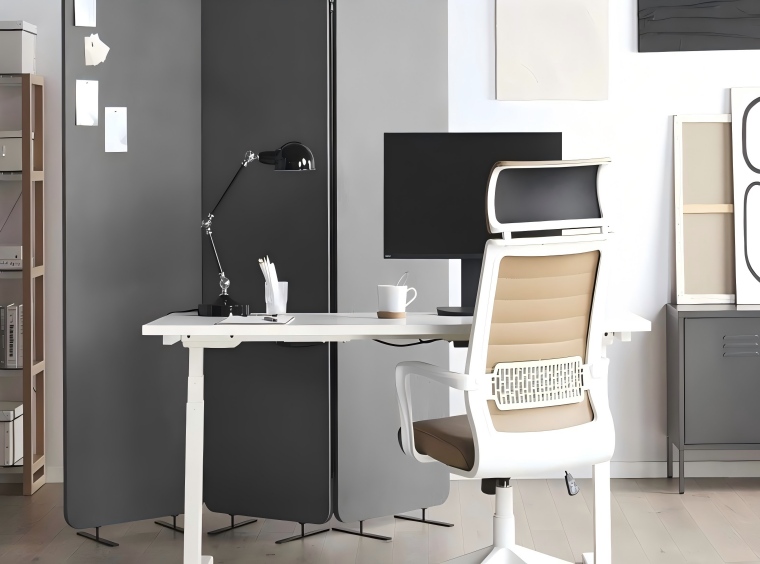
One of the main advantages of an acoustic screen divider is that it creates spatial definition without requiring permanent construction. Compared with traditional walls, these solutions provide greater flexibility and can be integrated into existing office environments with fewer structural changes.
This makes acoustic dividers suitable for a wide range of commercial applications, including open-plan offices, coworking spaces, meeting areas, educational facilities, and creative studios. They help organizations organize space more effectively while maintaining a sense of openness.
A well-designed freestanding acoustic room divider combines sound-absorbing materials with a stable structure to reduce unwanted noise and improve workplace comfort. At the same time, it creates visual separation that helps employees feel more focused within shared environments.
| Workspace Solution | Flexibility | Sound Control | Suitable Applications |
|---|---|---|---|
| Permanent Wall | Low | High | Fixed offices requiring long-term separation |
| Glass Partition | Medium | Limited without additional acoustic treatment | Offices requiring visibility and separation |
| Standard Room Divider | High | Low to Medium | Temporary space organization |
| Acoustic Screen Divider | High | High when properly designed | Flexible workplaces requiring noise management |
The combination of mobility, acoustic improvement, and design flexibility makes acoustic screen solutions increasingly valuable for modern workplace planning.
A productive workplace needs to support both collaboration and concentration. While open layouts encourage communication and teamwork, excessive background noise can make it difficult for employees to complete tasks that require deep focus.
An acoustic screen divider helps create a more balanced environment by reducing distractions between different activity areas. Employees can remain connected to the workplace while gaining a stronger sense of personal space.
For example, collaborative zones can remain open and accessible, while nearby workstations can use a freestanding acoustic room divider to improve acoustic comfort. This approach allows businesses to support multiple working styles within one shared environment.
Effective placement is also important. Acoustic dividers can be positioned between desks, around meeting areas, beside lounge spaces, or between departments with different noise requirements. When integrated into the overall workplace design, they help improve communication quality and employee experience.
The performance of an acoustic screen divider depends on more than its appearance. Material selection, construction quality, panel thickness, and placement all influence how effectively the divider manages sound within a workspace.
Sound absorption materials are one of the most important factors. High-quality acoustic materials work by reducing sound reflections and controlling noise energy, helping create a more comfortable acoustic environment.
The thickness and density of the divider also affect performance. A properly engineered acoustic panel can provide better sound absorption and improve separation between different areas.
The height of a freestanding acoustic room divider influences its ability to block direct sound paths. Taller solutions are often used where greater privacy and noise control are required, while lower screens may be suitable for maintaining visibility and openness.
Placement strategy should also be considered during planning. Even a high-performance acoustic solution needs to be positioned correctly to achieve the desired result. Understanding room layout, noise sources, and user requirements helps businesses select more effective solutions.
Poly Acoustic focuses on providing acoustic solutions that combine functional performance with modern workplace design requirements, helping businesses create environments that support productivity and comfort.
An acoustic screen divider is not simply a tool for separating areas. It has become an important design element that influences how people experience and interact with workplace environments.
Modern office design increasingly focuses on employee comfort, flexibility, and visual organization. Acoustic dividers help introduce structure into open spaces while maintaining a sense of openness and connection.
Beyond noise management, these solutions can contribute to clearer workplace zoning, improved privacy, and more efficient use of available space. They allow businesses to create environments that better match different activities throughout the day.
A carefully selected freestanding acoustic room divider can function as both an acoustic improvement solution and a design feature. By integrating acoustic performance with practical workspace planning, companies can create offices that are more comfortable, adaptable, and user-focused.
The future of office design will continue moving toward adaptability. Businesses need workplaces that can respond quickly to organizational changes, new collaboration methods, and evolving employee expectations.
Flexible acoustic solutions support this trend by allowing companies to adjust layouts without major renovation projects. An acoustic screen divider can help transform a large open area into multiple functional zones while maintaining the advantages of an open workspace.
A freestanding acoustic room divider is particularly suitable for dynamic environments because it can be repositioned as workplace needs change. Whether creating temporary project areas, improving meeting spaces, or establishing quieter work zones, these solutions provide long-term flexibility.
| Selection Factor | Why It Matters |
|---|---|
| Acoustic Performance | Determines how effectively unwanted sound is controlled |
| Mobility | Allows future workspace adjustments |
| Design Compatibility | Ensures the solution fits the workplace environment |
| Material Quality | Influences durability and long-term performance |
By combining acoustic improvement with flexible design, businesses can create workplaces that support productivity, collaboration, and employee wellbeing over time.
Modern open workspaces require solutions that go beyond simple space division. They need approaches that improve sound control, support different working styles, and allow businesses to adapt as their needs change.
An acoustic screen divider provides an effective way to create functional workplace zones while maintaining the openness and flexibility of contemporary office design. Meanwhile, a freestanding acoustic room divider offers additional adaptability for organizations that need spaces to evolve over time.
For companies planning workplace improvements, selecting the right acoustic configuration requires consideration of room size, usage scenarios, design goals, and expected sound control performance. Poly Acoustic provides professional guidance for businesses evaluating acoustic workspace solutions, and project discussions can be started by sharing specific requirements through the acoustic solution consultation channel.
An acoustic screen divider is used to improve sound control, create functional zones, and provide privacy in open workplaces without permanent construction.
A freestanding acoustic room divider reduces sound reflections and creates visual separation, helping employees maintain focus while keeping the workplace flexible.
Yes. Acoustic screen dividers are designed for open workplaces because they provide acoustic improvement while maintaining a connected atmosphere.
Material quality, thickness, height, density, and installation position all affect the performance of an acoustic divider.
Yes. Freestanding acoustic room dividers are designed for flexibility and can be moved when workspace requirements change.
Businesses should evaluate workspace layout, noise levels, design requirements, acoustic goals, and future flexibility before selecting a solution.