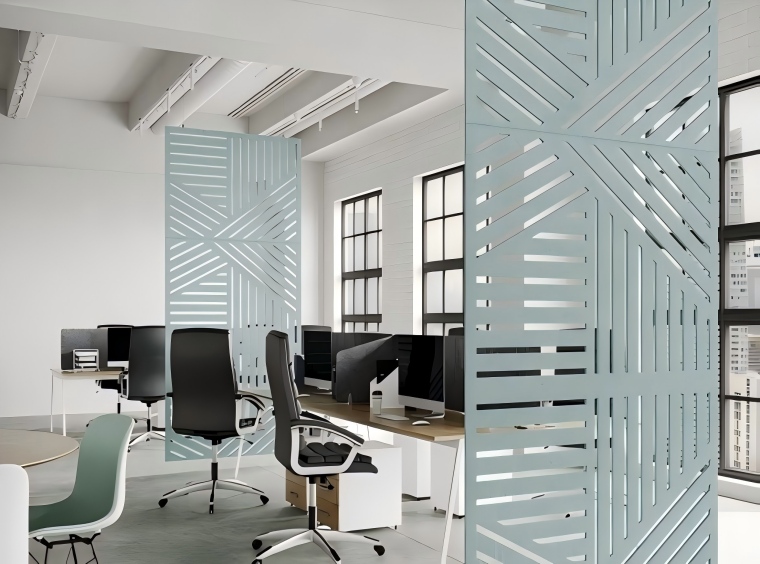
For many years, commercial interior projects have focused primarily on appearance, durability, and budget when selecting wall finishes. Painted gypsum walls, decorative laminates, wood veneers, and other conventional materials have been widely used across offices, schools, healthcare facilities, hotels, and public buildings.
However, the way commercial spaces are designed today is changing.
Modern workplaces are becoming more open and collaborative. Educational environments are expected to support better communication and learning outcomes. Healthcare facilities are increasingly focused on patient comfort and staff well-being. At the same time, building owners are looking for ways to improve occupant satisfaction while maximizing the long-term value of their properties.
As a result, acoustics has become an important consideration during the design phase rather than an issue addressed after project completion.
This shift is one of the key reasons why acoustic panels are rapidly replacing traditional wall finishes in commercial projects around the world.
Many of today's commercial buildings are designed with aesthetics and openness in mind. Large glass partitions, exposed concrete, steel structures, polished flooring, and open-plan layouts create modern and visually appealing environments. Unfortunately, these materials often reflect sound instead of absorbing it.
The result is a space that may look impressive but performs poorly from an acoustic perspective.
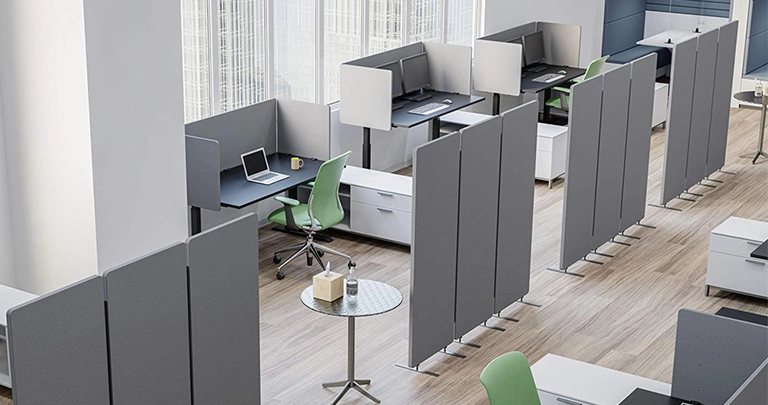
In office environments, excessive background noise can reduce concentration and productivity. Employees may struggle to focus on tasks or hold conversations without distractions. In schools and universities, poor speech intelligibility can affect both teaching effectiveness and student engagement. In restaurants, hotels, and conference venues, high noise levels can negatively impact the overall customer experience.
These issues rarely appear during project planning meetings, yet they often become some of the most common complaints once a building is occupied.
For developers and facility managers, solving acoustic problems after construction is typically more expensive and disruptive than addressing them during the design stage.
The growing popularity of acoustic panels is not simply driven by their ability to absorb sound. Their appeal comes from their ability to solve multiple challenges simultaneously.
Architects and designers are increasingly expected to create spaces that balance aesthetics, functionality, comfort, and sustainability. Acoustic wall panels allow project teams to improve sound quality without compromising visual design.
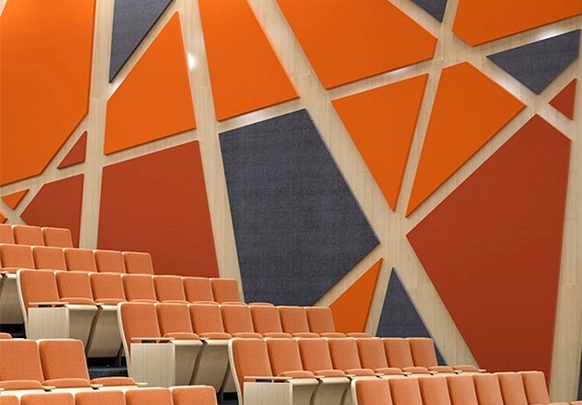
Unlike traditional wall finishes that serve a purely decorative purpose, acoustic panels contribute directly to the performance of a space. They help control reverberation, reduce unwanted noise, and improve speech clarity while also functioning as architectural design elements.
This combination of performance and flexibility makes acoustic panels particularly attractive for modern commercial interiors where every design decision is expected to deliver measurable value.
In the past, acoustics was often considered a specialist concern limited to theaters, recording studios, or auditoriums. Today, it has become a mainstream requirement across many commercial sectors.
Organizations are increasingly aware of the relationship between environmental quality and human performance. Studies have shown that excessive noise can affect concentration, productivity, communication, and overall satisfaction within a space.
For employers, this can influence employee performance and workplace experience. For educational institutions, it can affect learning outcomes. For hospitality operators, it can directly impact guest satisfaction and online reviews.
As expectations continue to rise, acoustic performance is becoming a factor that influences leasing decisions, tenant retention, and even property value.
Forward-thinking developers are beginning to view acoustic treatments as an investment rather than an additional cost.
Among the various acoustic materials available today, PET acoustic panels have become one of the fastest-growing product categories in commercial construction.
Manufactured from recycled polyester fibers, PET acoustic panels offer a combination of acoustic performance, design flexibility, and environmental responsibility that aligns well with modern building requirements.
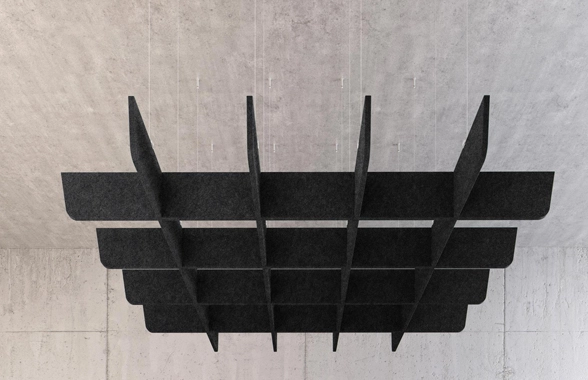
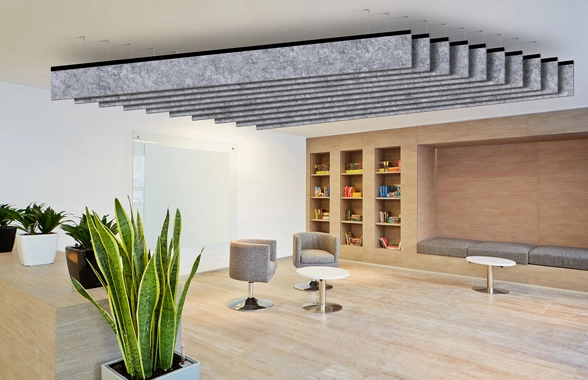
Their lightweight structure makes installation easier compared to many traditional acoustic materials. At the same time, they are available in a wide range of colors, patterns, and custom designs, giving architects greater creative freedom.
From a procurement perspective, PET acoustic panels also provide advantages in terms of durability, maintenance, and long-term cost efficiency. Because they combine functionality and aesthetics within a single product, they often reduce the need for additional decorative finishes.
For projects pursuing sustainability certifications or environmentally conscious design strategies, PET acoustic panels offer an additional benefit by incorporating recycled materials into the built environment.
For commercial projects, selecting an acoustic panel manufacturer involves much more than comparing product specifications or requesting quotations.
Project teams should evaluate whether a supplier can support the technical requirements of the project, provide reliable manufacturing capacity, and maintain consistent product quality across large orders.
Acoustic testing data and product certifications are particularly important for projects involving offices, schools, healthcare facilities, and public buildings where performance standards must be achieved. Delivery reliability can also have a significant impact on project schedules, especially when acoustic materials are required across multiple phases of construction.
Many architects and contractors prefer working with manufacturers that can provide customization support, design assistance, and experience across different application environments. In many cases, these factors have a greater influence on project success than the initial product price.
A manufacturer that understands both acoustic performance and project execution can help reduce risks while improving overall project outcomes.
As commercial spaces continue to evolve, the demand for better acoustic environments is expected to increase.
Future workplaces will need to support collaboration while maintaining privacy. Educational facilities will continue seeking environments that improve communication and learning. Healthcare providers will place greater emphasis on patient-centered design. Hospitality venues will focus on creating memorable guest experiences.
Across all of these sectors, acoustic performance will become an increasingly important part of design decision-making.
Rather than being treated as optional accessories, acoustic panels are becoming essential components of modern commercial interiors.
Projects that integrate acoustic solutions early in the design process are often better positioned to achieve long-term performance, occupant satisfaction, and operational success.
The growing adoption of acoustic panels reflects a broader shift in how commercial buildings are designed, evaluated, and experienced.
Today's projects are expected to deliver more than visual appeal. They must support productivity, communication, comfort, sustainability, and long-term building performance. Acoustic wall panels help achieve these objectives by improving sound quality while contributing to the overall architectural vision of a space.
For architects, interior designers, contractors, distributors, and project owners, acoustic panels are no longer simply decorative materials. They have become strategic building solutions that directly influence user experience and project value.
As demand for healthier, quieter, and more productive environments continues to grow, acoustic panels will play an increasingly important role in the future of commercial interior design.
If your organization is evaluating acoustic solutions for offices, educational facilities, healthcare projects, hospitality spaces, or public buildings, selecting the right acoustic panel system and manufacturing partner can have a lasting impact on both project performance and customer satisfaction.