When evaluating building materials for a commercial project, decision-makers are often required to balance upfront costs with long-term value.
Acoustic panels are a good example.
While architects may appreciate their design flexibility and acoustic performance, procurement teams and building owners frequently ask a different question:
Are acoustic panels truly worth the investment?
The answer depends on how project teams define value.
If acoustic panels are viewed solely as decorative wall finishes, their benefits may appear limited. However, when evaluated as part of a building's long-term operational strategy, the picture changes significantly.
Acoustic performance influences productivity, occupant comfort, tenant satisfaction, employee well-being, communication effectiveness, and even property competitiveness.
For many commercial projects, the return generated by acoustic improvements extends far beyond the initial material investment.
Historically, building materials were often evaluated based on acquisition cost.
Today, owners and developers increasingly focus on total lifecycle value.
This shift is driven by several factors.
Commercial buildings are expected to operate efficiently for decades. Employers are investing heavily in workplace experience. Educational institutions are seeking environments that improve learning outcomes. Healthcare providers are focused on patient-centered care.
As a result, materials are no longer judged solely on appearance or installation cost.
They are evaluated based on how they contribute to overall building performance.
Acoustic panels fit directly into this evolving approach.
Their value is measured not only by their physical characteristics but by the impact they have on the people using the space every day.
In workplace environments, labor costs significantly exceed building material costs.
For most organizations, employee salaries represent one of the largest ongoing operational expenses.
Even small improvements in workplace productivity can generate substantial financial benefits over time.
Poor acoustics can create distractions that interrupt concentration and reduce efficiency.
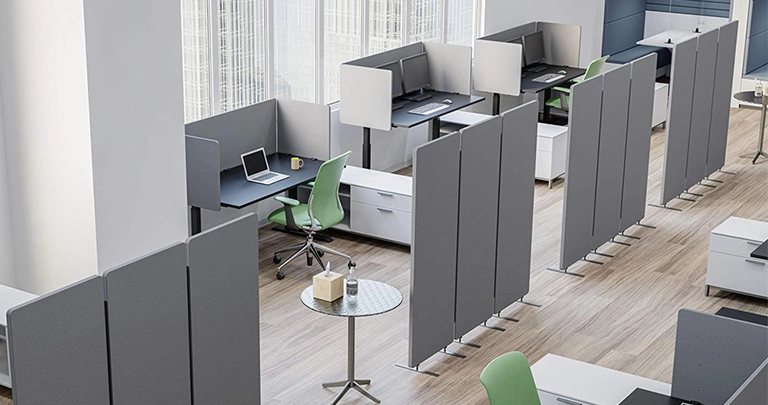
Open-plan offices are particularly vulnerable to these challenges.
When employees struggle to focus due to excessive background noise, productivity can decline even if the issue is not immediately visible.
Acoustic panels help create environments that support concentration and reduce unnecessary distractions.
For organizations employing hundreds or thousands of people, the resulting productivity gains can far exceed the original investment in acoustic treatments.
The way people experience a building increasingly influences its long-term success.
Tenants, employees, customers, students, and visitors all form impressions based on environmental comfort.
Noise is one of the most common complaints in commercial buildings.
Excessive reverberation can make conversations difficult, increase stress levels, and negatively affect overall satisfaction.
By improving acoustic comfort, acoustic panels help create spaces that feel more pleasant and functional.
This is particularly important in environments such as:
Corporate offices
Educational facilities
Hotels
Healthcare environments
Conference centers
As competition for tenants and talent increases, occupant experience is becoming an important factor in building performance.
Commercial properties compete for occupants.
Developers and building owners continuously seek ways to differentiate their projects in competitive markets.
While architectural appearance remains important, building performance is becoming equally valuable.
A well-designed acoustic environment contributes to a property's overall attractiveness.
Tenants are more likely to renew leases in spaces that support productivity and comfort. Hospitality guests are more likely to return to environments that feel pleasant and relaxing.
Educational institutions increasingly prioritize facilities that support learning outcomes.
Over time, these factors can influence occupancy rates, tenant retention, and overall property value.
Acoustic panels therefore contribute to more than interior aesthetics. They help support the long-term competitiveness of the building itself.
One of the most overlooked aspects of acoustic planning is timing.
Many projects underestimate acoustic requirements during design and attempt to address noise issues after occupancy.
This approach often leads to higher costs.
Retrofitting acoustic solutions after a building is operational can require:
Additional labor
Disruption to occupants
Design modifications
Installation constraints
In contrast, integrating acoustic treatments during the design phase is typically more efficient and cost-effective.
For project teams focused on lifecycle value, proactive acoustic planning often generates a stronger return than reactive problem-solving.
Sustainability is becoming an increasingly important consideration in commercial construction.
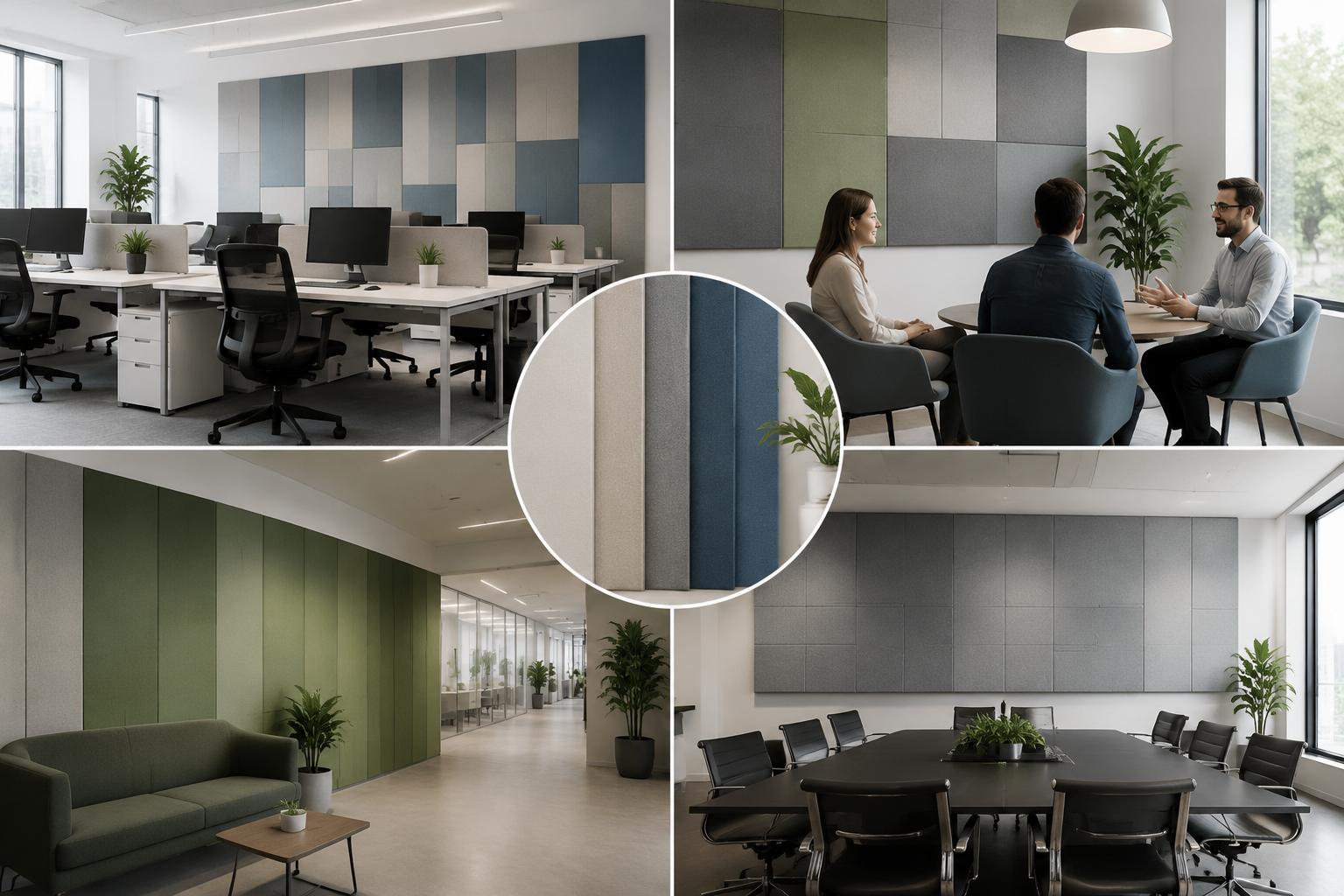
Many modern acoustic panels, particularly PET acoustic panels, are manufactured using recycled polyester fibers and support environmentally responsible building practices.
For projects pursuing green building certifications or corporate sustainability goals, acoustic products can contribute additional value beyond their primary function.
This creates another dimension of return on investment that extends beyond traditional financial calculations.
Environmental performance, brand perception, and corporate responsibility increasingly influence procurement decisions across multiple industries.
Not every return can be measured directly through cost savings.
Many of the benefits associated with acoustic panels influence organizational performance in less obvious ways.
Improved communication, reduced stress, enhanced collaboration, better learning environments, and greater workplace satisfaction all contribute to stronger outcomes over time.
Although these benefits may not appear on a balance sheet, they often influence employee retention, customer satisfaction, educational performance, and organizational effectiveness.
For this reason, many leading organizations view acoustic design as part of a broader investment in human experience rather than simply a building upgrade.
The commercial real estate industry is increasingly moving toward performance-driven design.
Buildings are expected to support wellness, productivity, sustainability, and operational efficiency simultaneously.
Acoustic comfort is becoming an essential component of this approach.
As developers and building owners continue focusing on user experience, acoustic performance will play a larger role in material selection decisions.
Rather than being treated as optional enhancements, acoustic panels are increasingly becoming standard components of high-performing commercial environments.
This trend is expected to accelerate as organizations place greater emphasis on creating spaces that support people as effectively as they support operations.
Acoustic panels represent more than a design feature or noise-control solution.
When evaluated through a long-term perspective, they contribute to productivity, occupant satisfaction, property performance, sustainability objectives, and overall building value.
For architects, developers, procurement managers, and building owners, the question is often no longer whether acoustic panels are worth the investment.
The more relevant question is whether a project can afford to ignore acoustic performance in an increasingly competitive built environment.
By incorporating acoustic solutions early in the design process, project teams can create spaces that perform better, feel better, and deliver greater value throughout the life of the building.