Noise problems in offices and public spaces are rarely caused by a single source. Sound reflections from hard surfaces, overlapping conversations, equipment noise, and busy activity areas can combine to create an uncomfortable acoustic environment that affects how people work, communicate, and interact.
Simply adding more space or separating areas with traditional materials does not always solve these challenges. Effective acoustic design requires materials that can absorb unwanted sound energy, reduce reverberation, and improve the overall quality of sound within a room.
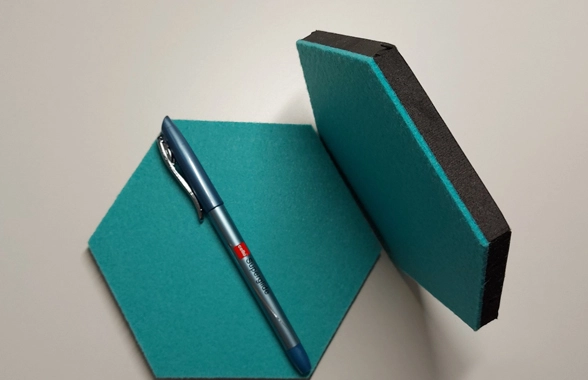
Pet polyester acoustic panels have become a practical choice for many interior projects because they provide reliable sound absorption while offering flexibility in shape, color, and installation methods. From office workspaces and conference rooms to educational facilities and public areas, these panels help create environments with better acoustic balance.
Choosing suitable acoustic materials requires an understanding of both the technical and design requirements of a project. This article explores how pet acoustic wall panels address common noise challenges, support better communication, and provide long-term acoustic solutions for different architectural applications.
A comfortable acoustic environment is not necessarily the quietest environment. In most workplaces and public spaces, the goal is to control unwanted sound while maintaining natural communication and activity. Excessive sound absorption can make a room feel unnatural, while insufficient acoustic treatment can create echo and noise discomfort.
A pet polyester acoustic panel helps create a balanced sound environment by absorbing excessive sound reflections that occur when sound waves hit hard surfaces such as glass, concrete, and metal. By reducing repeated reflections, acoustic panels improve speech clarity and make conversations easier to understand.
This function is especially important in large or open interiors. Offices, conference rooms, classrooms, libraries, and public facilities often contain many reflective surfaces that allow sound to travel further than expected. Without proper acoustic treatment, even normal conversations can contribute to a noisy environment.
PET acoustic materials are widely used because they combine acoustic performance with practical design advantages. The panels are lightweight, easy to integrate into different interiors, and available in various forms that allow designers to balance technical requirements with visual appearance.
Effective acoustic planning usually considers the entire room rather than relying on a single product. The location of panels, room dimensions, furniture arrangement, and primary noise sources all influence the final result. A carefully designed acoustic system ensures that materials are placed where they can provide the greatest improvement.
Open offices have improved collaboration and space efficiency, but they also introduce new acoustic challenges. Employees may experience distractions from nearby conversations, phone calls, meetings, and daily workplace activities. When sound travels freely across the office, maintaining concentration becomes more difficult.
Installing pet acoustic wall panels can help manage these challenges by reducing sound reflections from walls and ceilings. Instead of allowing sound energy to continue spreading throughout the space, acoustic panels absorb part of the sound and create a more controlled environment.
Meeting rooms and conference areas often require additional acoustic attention because clear communication is essential. Excessive reverberation can reduce speech intelligibility, making participants work harder to follow discussions. Properly positioned acoustic panels help improve clarity during meetings, presentations, and online conferences.
Public facilities face similar issues but usually involve larger spaces and more varied sound sources. Schools, healthcare buildings, transportation facilities, exhibition centers, and commercial venues often need acoustic solutions that support both comfort and communication.
PolyAcoustic provides acoustic solutions designed for different architectural applications, helping customers improve sound quality without compromising interior design goals. Businesses, architects, and designers can explore suitable options through the PolyAcoustic products collection to better understand available PET acoustic solutions.
Communication quality directly influences the effectiveness of a workspace. In noisy environments, people often need to repeat information, speak louder, or spend additional effort understanding conversations. Over time, these conditions can affect comfort and productivity.
A pet polyester acoustic panel improves communication by controlling unnecessary sound reflections and reducing background noise interference. In meeting rooms, collaborative areas, and shared workspaces, better acoustic conditions allow conversations to remain clearer and more natural.
For employees who need focused work environments, acoustic comfort is equally important. Constant background noise can interrupt concentration, especially during tasks that require attention and accuracy. By improving the sound environment, PET acoustic solutions help create workplaces that better support different working styles.
The advantages of PET acoustic materials extend beyond offices. In educational environments, better room acoustics help students and teachers communicate more effectively. In healthcare facilities, reducing excessive noise contributes to a calmer atmosphere for patients and staff.
Compared with many traditional acoustic materials, PET panels provide a practical combination of sound absorption, lightweight construction, and design flexibility. These characteristics make them suitable for projects where both performance and appearance are important considerations.
Acoustic performance is only one part of a successful interior project. In offices, commercial buildings, and public facilities, acoustic materials also need to work with the existing architectural language. Wall surfaces, ceiling systems, furniture, lighting, and circulation areas all contribute to the final appearance of the space.
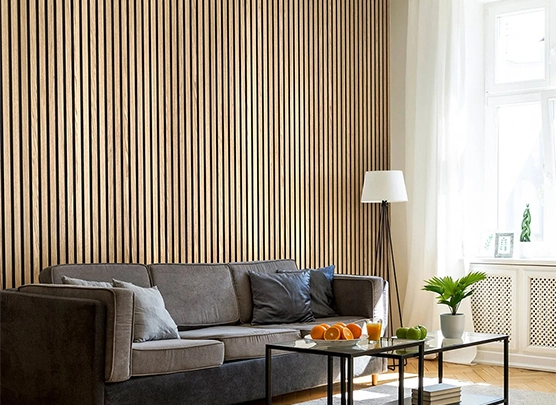
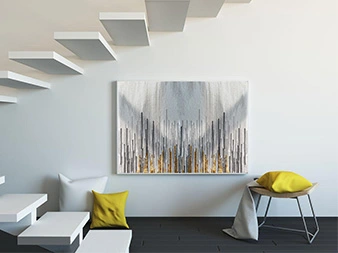
Pet acoustic wall panels offer considerable flexibility in this regard. They can be used as wall treatments, ceiling elements, decorative features, or integrated acoustic zones. This allows designers to address sound reflection without making the acoustic treatment look like an addition made purely for technical purposes.
Panel placement should be determined by the actual acoustic characteristics of the room. For example, areas directly exposed to speech or other sound sources may require targeted absorption, while large reflective wall surfaces can contribute to excessive reverberation. Rather than applying the same treatment throughout the room, designers can use PET panels strategically according to the function of each area.
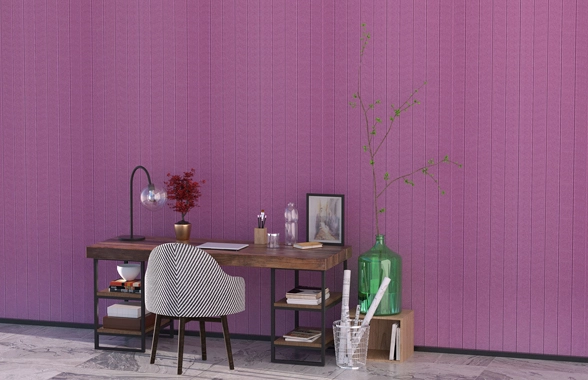
Visual consistency is another consideration for commercial projects. Offices may need acoustic panels that complement corporate interiors, while hotels, restaurants, and public buildings may use acoustic elements to reinforce a particular architectural style. Color, texture, panel shape, and installation pattern can therefore become part of the overall interior design.
For projects with more demanding acoustic requirements, it is useful to evaluate the space before finalizing the panel configuration. Understanding the room's dimensions, surface materials, occupancy, and primary noise sources makes it easier to determine where acoustic treatment can provide meaningful improvement.
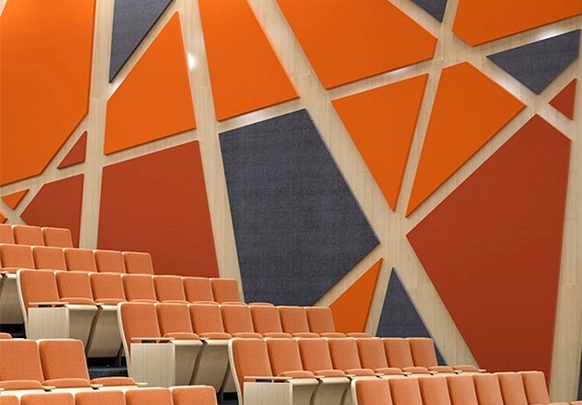
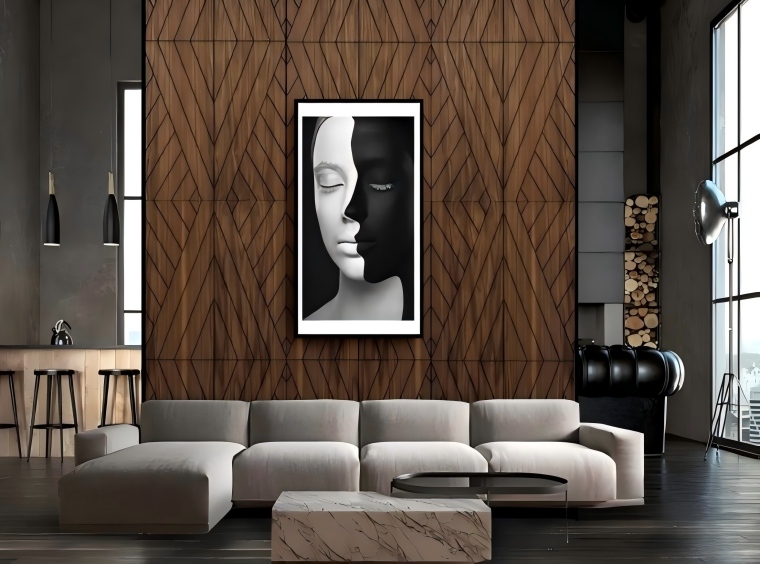
Acoustic treatment does not have to be visually repetitive. One of the advantages of PET polyester materials is the freedom they provide to architects and interior designers. Panels can be arranged in different patterns and configurations, allowing acoustic performance to become part of the visual identity of a space.
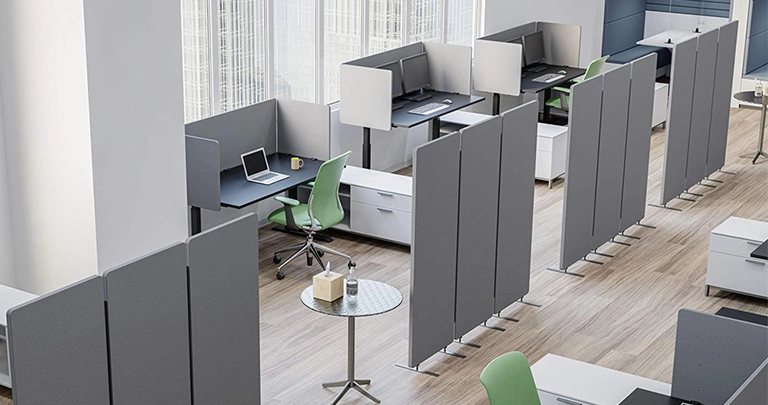
In offices, pet polyester acoustic panels can be integrated into feature walls, meeting rooms, collaborative areas, and open workspaces. Different panel shapes can help distinguish functional zones while providing sound absorption where it is needed.
In educational buildings, PET acoustic elements can be used to create visually engaging wall and ceiling treatments while helping control reverberation in classrooms and common areas. This approach is particularly useful where acoustic requirements need to be combined with an environment that feels welcoming rather than overly institutional.
Hospitality projects provide another opportunity for creative applications. Restaurants, hotels, lounges, and event spaces can incorporate acoustic panels into decorative wall features or ceiling installations. Instead of treating acoustic control as a separate technical layer, designers can make the material part of the interior concept.
PET panels can also be combined with other interior elements to create layered acoustic strategies. Partitions, furniture, soft furnishings, and ceiling treatments can work together with pet acoustic wall panels to create a more controlled sound environment without relying on a single type of acoustic treatment.
Acoustic materials used in commercial and public environments need to perform consistently over time. These spaces are often used intensively, meaning that acoustic products must fit into normal maintenance routines while continuing to support the intended interior design.
PET polyester panels are valued for their lightweight construction and versatility, making them suitable for a wide range of interior applications. Their ability to be fabricated into different shapes and configurations also makes them useful when projects require customized acoustic treatments rather than standard rectangular panels.
Customization can be particularly valuable for large architectural projects. A project may require specific dimensions, patterns, colors, or installation configurations to match the design concept. Instead of treating every room identically, designers can develop acoustic solutions that respond to the function and appearance of each area.
Long-term acoustic planning should also consider whether the space may change in the future. Offices may be reorganized, commercial spaces may be renovated, and public facilities may change their functions. Flexible PET acoustic solutions can make it easier to adapt acoustic treatment when the interior layout changes.
PolyAcoustic focuses on acoustic products that combine functional sound absorption with design flexibility, supporting projects where acoustic performance and interior appearance need to work together. When a project has specific dimensions, application conditions, or customization requirements, discussing the details with the supplier before production can help avoid unnecessary adjustments later. Customers can contact PolyAcoustic to discuss project requirements and explore an appropriate acoustic approach.
Different acoustic materials serve different purposes, so PET panels should be evaluated according to the requirements of the project rather than treated as a universal replacement for every acoustic solution. The comparison below provides a general reference for selecting materials based on common interior applications.
| Acoustic Solution | Typical Acoustic Role | Design Flexibility | Common Applications |
|---|---|---|---|
| PET Polyester Acoustic Panels | Sound absorption and reverberation control | High | Offices, schools, public spaces, commercial interiors |
| Fabric-Wrapped Acoustic Panels | Sound absorption and interior acoustic treatment | High | Meeting rooms, offices, studios, hospitality spaces |
| Perforated Acoustic Panels | Sound absorption through perforated surface construction | Moderate to high | Commercial interiors, auditoriums, architectural spaces |
| Acoustic Ceiling Treatment | Reduction of overhead sound reflections | Moderate | Open offices, classrooms, public facilities |
The right choice depends on the room's acoustic problems, available installation surfaces, aesthetic requirements, and project budget. In many cases, combining different acoustic treatments produces a more balanced result than relying on one material alone.
Improving acoustic comfort requires more than reducing overall noise levels. The objective is to create a space where conversations are clear, distractions are controlled, and sound behaves in a way that supports the function of the room.
Pet polyester acoustic panels provide a practical option for achieving this balance. Their sound absorption properties, lightweight construction, and design flexibility make them suitable for offices, educational buildings, hospitality environments, and public facilities. With thoughtful placement and appropriate acoustic planning, they can improve room comfort while becoming an integrated part of the interior design.
For architects, designers, facility managers, and building owners, the most effective approach is to start with the specific acoustic requirements of the project and then select materials and configurations accordingly. Pet acoustic wall panels can be particularly useful when a project requires both acoustic improvement and a high degree of design flexibility.
PolyAcoustic provides acoustic solutions for different interior applications and can work with customers to evaluate project-specific requirements. Selecting the right PET acoustic solution at the design stage can help create spaces that remain comfortable, functional, and visually consistent over the long term.
Pet polyester acoustic panels are sound-absorbing panels made from polyester fiber materials. They are primarily used to reduce sound reflections and reverberation inside interior spaces.
Pet acoustic wall panels are commonly used in offices, meeting rooms, classrooms, restaurants, hotels, public facilities, and other interior environments where improved acoustic comfort is required.
PET panels are primarily designed for sound absorption rather than complete sound blocking. They help control reflections and reverberation within a room but should not be considered a replacement for a full sound insulation system.
Yes. Depending on the project and supplier, PET acoustic panels can be produced in different shapes, sizes, colors, patterns, and installation configurations to meet specific design requirements.
Yes. Pet acoustic wall panels can help reduce sound reflections and improve acoustic comfort in open offices, particularly when they are strategically positioned around major reflective surfaces and activity areas.
Consider the room function, main noise sources, room dimensions, existing surface materials, desired acoustic performance, and interior design requirements. For projects with specific acoustic challenges, professional consultation can help determine the appropriate panel type and configuration.