A room can be visually divided in minutes, but achieving effective sound separation requires much more than adding a simple partition. In offices, hotels, restaurants, and residential buildings, unwanted noise often travels through walls, gaps, and shared spaces, affecting privacy, productivity, and overall comfort.
A sound proof room separator is designed to solve this challenge by creating flexible spaces while reducing sound transmission between different areas. Whether it is a private meeting room inside an open office, a quiet guest area in a hotel, or a separated living space at home, the right acoustic solution can significantly improve how a space is used.
However, not every separator delivers the same level of acoustic performance. The ideal choice depends on factors such as the purpose of the room, expected noise levels, frequency of movement, interior design requirements, and the level of privacy required. Understanding these differences helps businesses and property owners select a sound proof room separator that provides both practical flexibility and reliable noise control.
This guide explains the key factors to consider when choosing noise proof room dividers for different environments and how PolyAcoustic solutions help create spaces with better acoustic comfort, privacy, and usability.
The effectiveness of a sound proof room separator depends on its ability to reduce sound transmission while maintaining the functionality of the space. Unlike ordinary room partitions that mainly provide visual separation, acoustic separators are engineered to control how sound moves between different areas.
The construction of the separator plays an important role in acoustic performance. Materials with appropriate density and internal structures can reduce airborne noise transmission, while carefully designed joints and sealing systems minimize sound leakage around the edges. In practical applications, even small gaps can affect the overall sound isolation performance of a partition system.
A high-performing acoustic separator usually combines several design considerations, including material selection, panel structure, installation precision, and the surrounding environment. The separator itself is only one part of the acoustic system; room layout, ceiling height, flooring materials, and nearby sound sources can also influence the final result.
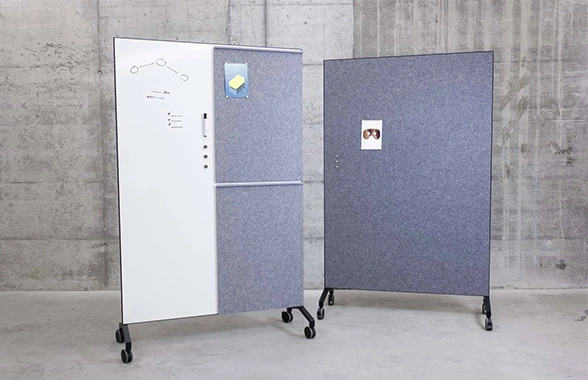
Flexibility is another important consideration, especially for commercial spaces. Many businesses need rooms that can quickly adapt to different activities. Movable noise proof room dividers allow large areas to be separated when privacy is needed and reopened when a more open layout is preferred.
For this reason, choosing an acoustic separator should begin with understanding how the space will actually be used. A conference room requiring confidential conversations has different requirements from a restaurant needing to separate dining areas or a home owner looking to create a quieter living environment.
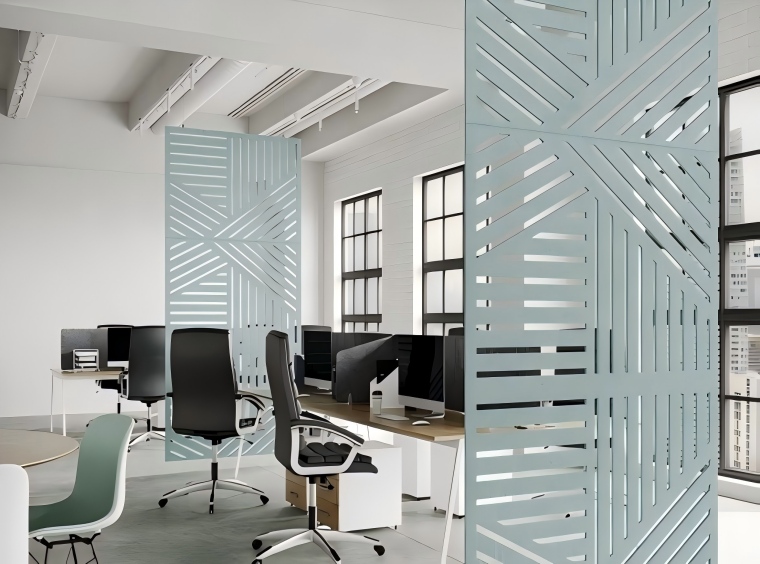
Office environments have changed significantly in recent years. Open layouts encourage communication and collaboration, but they also introduce acoustic challenges. Conversations, online meetings, and phone calls can easily spread across working areas, making it harder for employees to concentrate.
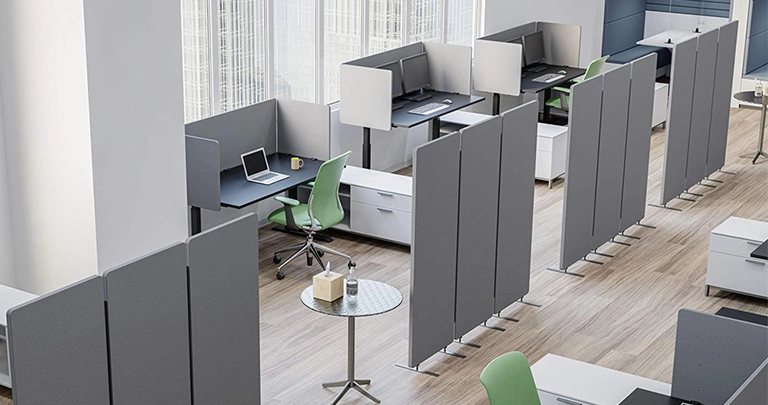
A sound proof room separator provides a practical way to create private areas without permanently changing the building structure. Companies can use acoustic separators to build meeting rooms, interview spaces, training areas, and collaborative zones while keeping the workplace flexible.
For professional workspaces, acoustic performance needs to be balanced with visual design. Modern offices often require solutions that match interior aesthetics while allowing future adjustments. A well-designed separator should support both privacy and an efficient workplace layout.
Confidentiality is another major factor in office applications. Areas used for management meetings, customer discussions, or internal communications often require stronger sound control than general workspaces. Installing suitable noise proof room dividers can help prevent conversations from being clearly heard outside the room and create a more professional environment.
PolyAcoustic provides acoustic solutions designed for different commercial applications, helping businesses improve privacy and space utilization. Companies can explore different options through the PolyAcoustic products collection to understand how various acoustic partition systems can be applied in offices and professional environments.
Hotels, restaurants, conference centers, and other public venues often need spaces that can serve multiple purposes. A large event area may need to become several smaller rooms, while a restaurant may require flexible separation between dining sections, private rooms, or event areas.
In these environments, a sound proof room separator provides more than simple space division. It helps create comfortable areas where conversations remain more private and background noise is better controlled.
Hotels face particularly complex acoustic requirements because guest experience depends heavily on comfort and privacy. Meeting rooms, banquet halls, and event spaces frequently need separation from surrounding areas to prevent noise disturbance. A properly selected acoustic separator can help maintain a more comfortable environment while allowing the space to adapt to different events.
Restaurants also benefit from effective acoustic separation. Dining areas, private rooms, and event sections often have different noise requirements. The right noise proof room dividers can help create a quieter dining experience while maintaining design consistency with the interior space.
For public environments, durability and ease of operation are equally important. Separators used in hotels and commercial venues may be moved frequently, so the system needs to provide reliable acoustic performance while supporting repeated use.
Because every project has different space conditions and acoustic goals, professional evaluation is often valuable before selecting a system. PolyAcoustic works with customers to understand application requirements and recommend suitable solutions. Businesses can discuss specific project needs through the PolyAcoustic contact page for further guidance.
Residential spaces are becoming more flexible as homeowners look for ways to combine work, relaxation, and entertainment within the same area. A living room may also serve as a home office, a study space may need quiet conditions, and shared areas may require better privacy between family members.
A sound proof room separator provides a practical option for creating separate areas without major construction work. Instead of building permanent walls, homeowners can use acoustic separation solutions to improve privacy while maintaining flexibility in how the space is arranged.
For example, a home office located near a living room may require better sound control to reduce distractions during online meetings or focused work. Similarly, bedrooms, entertainment areas, and study rooms may benefit from improved acoustic separation to create a more comfortable living environment.
Residential applications often require a balance between performance and appearance. Unlike commercial environments where maximum sound isolation may be the primary goal, homeowners usually want acoustic solutions that blend naturally with existing interiors while maintaining convenient operation.
Well-designed noise proof room dividers can help separate different functional areas while reducing unwanted sound transmission. By considering room usage, available space, and design preferences, homeowners can create more private and comfortable living environments without sacrificing flexibility.
Different spaces require different approaches to acoustic separation. The most suitable sound proof room separator depends on factors such as whether the space needs permanent separation, how frequently the layout changes, and what level of acoustic performance is required.
Fixed acoustic partitions are suitable for areas where the room structure remains relatively unchanged. They provide stable sound insulation and are commonly used in offices, studios, and specialized environments where consistent acoustic performance is important.
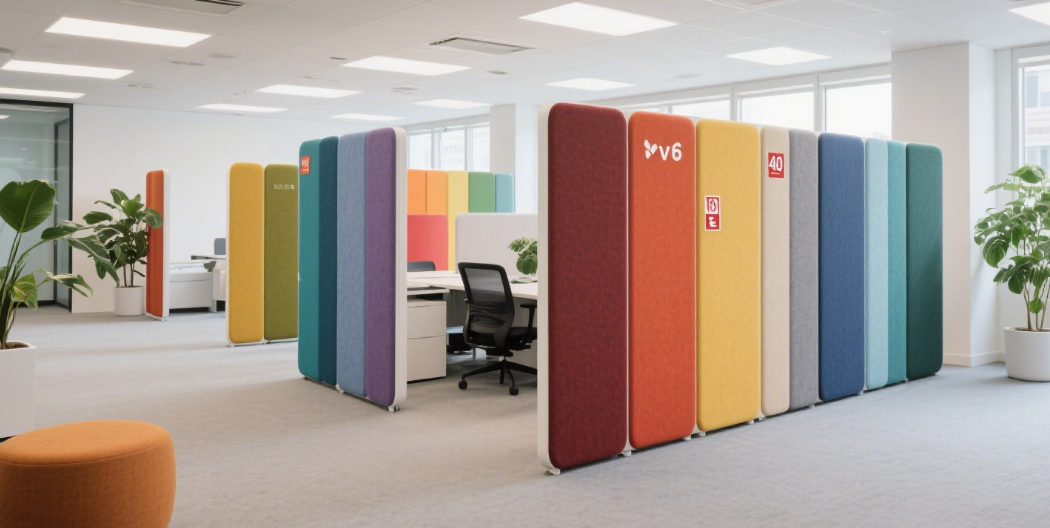
Movable acoustic separators are designed for spaces that require flexibility. Hotels, conference centers, restaurants, and multi-purpose venues often use movable noise proof room dividers because they allow large areas to be divided or reopened according to different activities.
Glass acoustic partitions are another popular choice for modern commercial interiors. They provide a balance between visual openness and acoustic privacy, making them suitable for offices where natural light and transparency are important design considerations.
Modular acoustic systems provide additional flexibility for changing environments. They allow businesses to adjust layouts as operational needs evolve, making them useful for workplaces, training facilities, and shared spaces.
| Soundproof Room Separator Type | Main Characteristics | Suitable Applications |
|---|---|---|
| Fixed Acoustic Partition | Provides stable structure and consistent acoustic separation | Permanent offices, studios, specialized rooms |
| Movable Soundproof Room Separator | Allows flexible space division and reconfiguration | Hotels, restaurants, conference rooms, event spaces |
| Glass Acoustic Partition | Combines visibility with improved privacy control | Modern offices, meeting rooms, commercial interiors |
| Modular Acoustic Divider | Supports adaptable layouts and future adjustments | Flexible workplaces and changing environments |
Selecting the right design requires understanding how the space operates. A hotel may prioritize flexibility because rooms are frequently rearranged, while a private office may focus more on consistent sound isolation and confidentiality.
Before installing a sound proof room separator, it is important to evaluate the actual acoustic requirements of the space. Product specifications alone do not determine performance; installation conditions, room structure, and surrounding noise sources also have a significant impact.
The first consideration is the purpose of the area. Spaces used for confidential meetings, professional conversations, or private activities usually require stronger sound control compared with areas where only basic noise reduction is needed.
The second consideration is flexibility. If a space needs frequent changes, movable systems may provide better long-term value. If the layout is permanent, a fixed acoustic solution may offer better consistency and stability.
Installation quality is equally important. Sound can travel through small openings, connection points, and surrounding structures, which means professional installation plays a key role in achieving expected acoustic performance.
Design integration should also be considered, especially in commercial projects. Acoustic solutions often need to match interior styles, branding requirements, and customer expectations. A successful installation should improve both the acoustic environment and the overall experience of the space.
PolyAcoustic focuses on providing acoustic solutions for different application scenarios, helping customers balance sound control, flexibility, and design requirements. For projects with specific acoustic challenges, customers can communicate their requirements through the PolyAcoustic contact page and receive professional recommendations based on their space conditions.
Choosing the right sound proof room separator requires a clear understanding of how the space will be used, what type of noise needs to be controlled, and how much flexibility is required. Offices need solutions that support productivity and confidentiality, hotels and restaurants require adaptable systems that improve guest experience, while residential spaces often focus on privacy and comfort.
A high-quality acoustic separator does more than divide a room. It creates better environments where people can work, communicate, and relax with fewer noise distractions. By selecting suitable materials, designs, and installation methods, businesses and homeowners can achieve effective sound control while maintaining functional and attractive spaces.
With experience in acoustic solutions for different environments, PolyAcoustic helps customers identify suitable approaches for improving room privacy and acoustic comfort. Whether the goal is creating professional workspaces, flexible commercial areas, or quieter homes, the right noise proof room dividers can significantly improve how a space performs.
A sound proof room separator is used to divide spaces while reducing sound transmission between different areas. It is commonly applied in offices, hotels, restaurants, conference rooms, and residential environments where privacy and noise control are required.
A normal partition mainly separates spaces visually, while a soundproof room separator uses acoustic materials and structural designs to reduce unwanted sound transmission and improve privacy.
Yes. Noise proof room dividers are widely used in offices, hotels, restaurants, conference facilities, and other commercial spaces because they provide flexible separation with improved acoustic control.
Performance depends on factors such as material structure, sealing quality, installation method, room layout, and the type of noise that needs to be reduced.
Yes. Residential acoustic separators can help create private bedrooms, home offices, study areas, and entertainment spaces while avoiding major renovation work.
The selection should consider room purpose, required privacy level, frequency of movement, interior design requirements, and expected acoustic performance. Consulting an acoustic solution provider can help identify the most suitable option.